



Promethean’s AI Roadmap for Late-to-End-of-Life Assets: Safer, Cleaner, Faster
In late-life production and offshore decommissioning, assets carry decades of history. Best case, they’re scattered across decades-old filing systems, paper files, and spreadsheets built by people who retired years ago. Worst case, they don’t exist at all.
AI cannot produce reliable answers from an incomplete record. Yet that is often the starting point for late-life work: operators are asked to determine what a field is worth, how long abandonment will take, what it will cost, and what hazards crews may encounter without a complete picture of the asset.
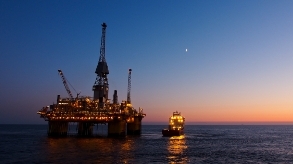
It’s a pattern that, by definition, is no longer working. Currently, more than 2,700 wells and 500 platforms in the Gulf of America are overdue for decommissioning. This number will continue to snowball if processes aren’t fundamentally changed.
Our approach captures critical project data as it is created, structure it once, and makes it available to every decision that follows. From there, we apply advanced tools to turn that information into better evaluation, planning, operations, and execution.
Where We Are
When well data is scattered, planning a field abandonment can take weeks or even months. An engineer must work through each well individually, extract the key data, and design the P&A job from what they can find. A single well file can run to hundreds of pages of scanned, handwritten, inconsistently organized material.
The downstream consequences are more expensive than the engineering hours. Applications for regulatory approval built on incomplete records come back with errors and rejections, and approval timelines slip from months into years. Worse, a plan built on an incomplete picture sends the wrong equipment to a remote offshore site. At that point, the cost is a mobilized vessel, a crew, and a spread that has to turn around and come back.
Deferral becomes the rational response. When the record is incomplete, the cost is uncertain, and the regulator will hold you to whatever you file, inaction can feel like the safest option.
This couldn’t be further from the truth. For operators, ecosystems, communities, and future generations. Our AI roadmap is built on a different premise: the record itself is the constraint. Solve the data problem first, and cost, schedule, and safety become far more manageable. Instead of treating uncertainty as a reason to defer, we use better data to turn it into a scope that can be understood, priced, and executed on-time and within scope every time.
Our AI Roadmap
Shifting how the industry late-to-end-of-life assets requires a total process overhaul.
The How
We worked through each phase of the lifecycle we operate in and named the principal value drivers before naming a single tool.
For asset evaluation, the drivers are transaction cost reduction, faster diligence cycles, and downside risk identification. For late-life operatorship, production optimization, OPEX optimization, and asset reliability and uptime are most critical. For decommissioning, we’re looking for platforms that optimize well abandonment cost and regulatory execution certainty.
Then, we asked which capabilities would actually move those numbers. For evaluation, AI-assisted due diligence across data rooms, public records, and prior filings. For operatorship, predictive maintenance and integrated activity and planning support fit the bill. For decommissioning, we looked for platforms that brought abandonment and execution intelligence and regulatory logic into the same workflow. We first identified our goals, then selected tools accordingly.
The Why
It is worth saying where we sit in the field lifecycle, because it explains why we had to build this ourselves.
Most of the industry’s technology investment sits on the early side of the production curve, from exploration through plateau (where the money’s always been). It’s where databases, workflows, and software are built, and each system is optimized to find and produce fuel.
We work the other end: late-life production through decommissioning. Our systems must be optimized to find the value that still exists and to create strategies to close out safely, efficiently, and permanently.
The What
Everything starts with the data foundation, because none of the rest works without it. Rather than installing an expensive enterprise system, we digitize what already exists, connect the pieces, and let each layer inform the next.
Documents, field reports, vendor records, cost data, and safety observations flow into one structured environment instead of sitting in folders and workbooks nobody can search.
The real discipline is deciding where real-time data matters and where a dependable refresh is enough. Get it wrong, and teams start working from different versions of reality. Get it right, and everyone sees the same picture.
Two guardrails protect the outcome here. First, operator data stays with the operator. Records brought in during an evaluation or operating agreement are kept separate, never used to train shared models without written consent, and returned or destroyed when the engagement ends. Second, access is tightly controlled. Because a searchable asset record is far more valuable and more exposed than files sitting in a cabinet, access is role-based, and every query is logged.
Optimization Across the Lifecycle
What we learn at every phase feeds our AI platforms and shapes how we do things the next time around.
1. Evaluate Responsibly
Buying a late-life asset means buying its liability. A decline curve tells you what a field produces, but not what it costs to exit, where integrity exposure sits, or what obligations you’ve inherited from the last three owners.
Our diligence tools that can work through a data room, public records, and prior filings quickly enough to form a view before an asset formally hits the market. Speed matters more here than it looks. Being able to put a credible number on something early is often the difference between being in a deal and reading about it afterward.
Just as important is what the analysis surfaces. Contract and obligation intelligence reads leases, tariffs, and midstream commitments to find what’s been promised. Liability tools look for the P&A and integrity exposure that tends to reveal itself after closing rather than before.
The compounding effect is critical here: more fields mean richer data, and richer data means better acquisition decisions every time out.
2. Source for Stewardship Value
Vessels, spreads, and crews are the largest line items in any abandonment campaign, and they are getting harder to secure. Labor and vessel availability haven’t kept pace with demand. Shortages push rates up and tighten the execution windows that are already narrow offshore.
Most of the industry sources after the plan is fixed, which means taking whatever the market offers at the moment the work is ready to go. We do it the other way around. We scan the market early, then qualify, benchmark, and contract every vessel and crew independently rather than accepting a bundled package at whatever rate comes with it.
AI makes that practical at speed. Contractor performance, service quality events, and cost history from every project run through the same structured environment as everything else, so we can match a scope to the right contractor and price it against what comparable work actually cost rather than what a rate sheet claims.
3. Plan Proactively
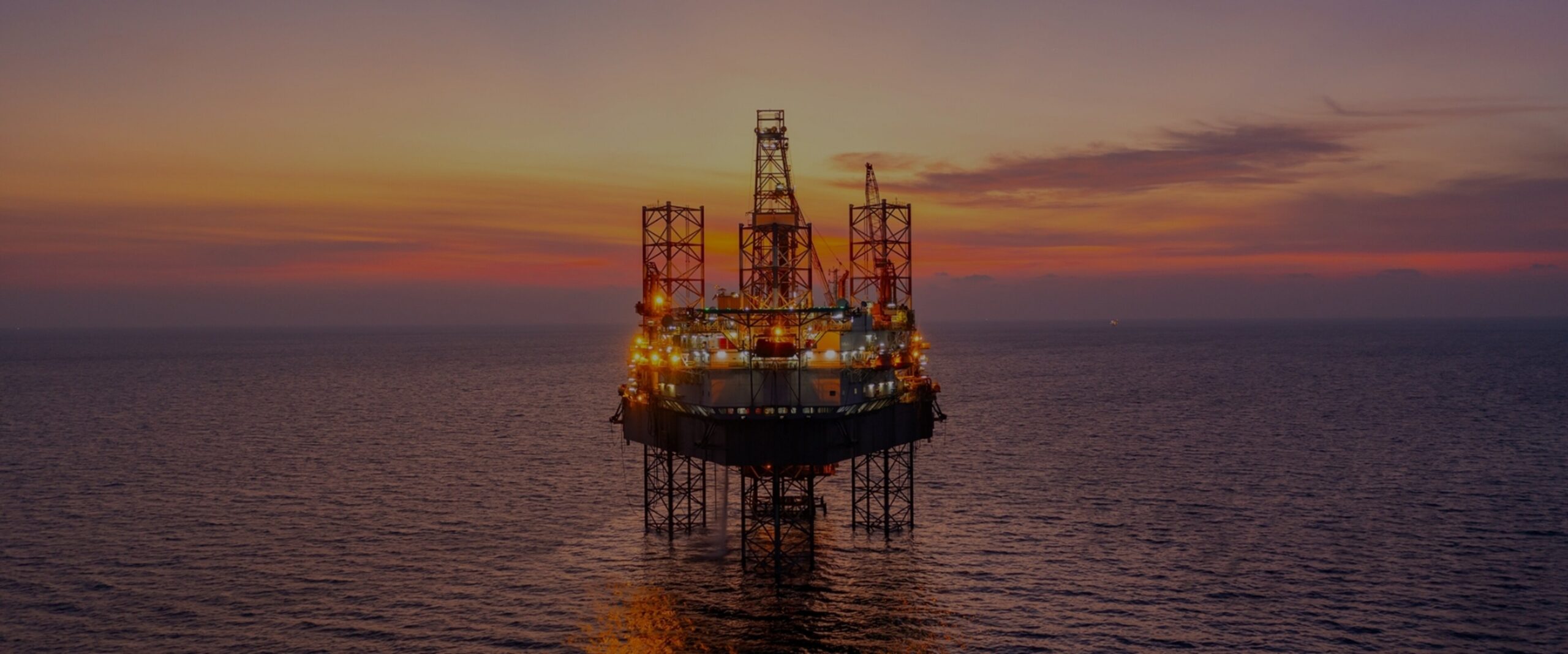
Before anyone is exposed to a degraded structure, drone-based surveys and 3D imaging build a detailed digital model of what is actually out there. This model allows engineers to evaluate dimensions, identify safe access points, and flag structural anomalies from shore, then plan sequencing and site safety around real conditions rather than inherited paperwork. Where the survey shows damage (and it usually does), the structure gets made safe before well work begins.
The real value sits in the organized database that comes after the model: the layer that feeds the engineering tools. rahd.ai is built specifically for decommissioning and is trained on petroleum engineering material rather than general industry text and reports an 85 percent reduction in planning time on Australian decommissioning campaigns. We are testing that result against our own Gulf of America well files before we rely on it to set scope or cost.
This platform learns from operator records and regulator records, so it can plan around the gaps instead of pretending they don’t exist. Regulatory logic is inseparable here, and often underestimated. You can’t build a sound abandonment plan without accounting for what regulators will require, because the requirements determine the work. We stay close to our regulators on purpose. If we generate an application and it comes back rejected, nobody saved any time.
The same discipline applies below the mudline. Before a program is written, we rebuild each well’s barrier picture from what the records actually show: casing and tubing tallies, cement records and any evaluation logs, completion and workover history, and whatever sustained casing pressure or annulus monitoring data the previous operators kept. Where records are missing, we carry the gap as a stated assumption to be closed out by diagnostics — not as a fact to be planned against.
4. Execute with Control
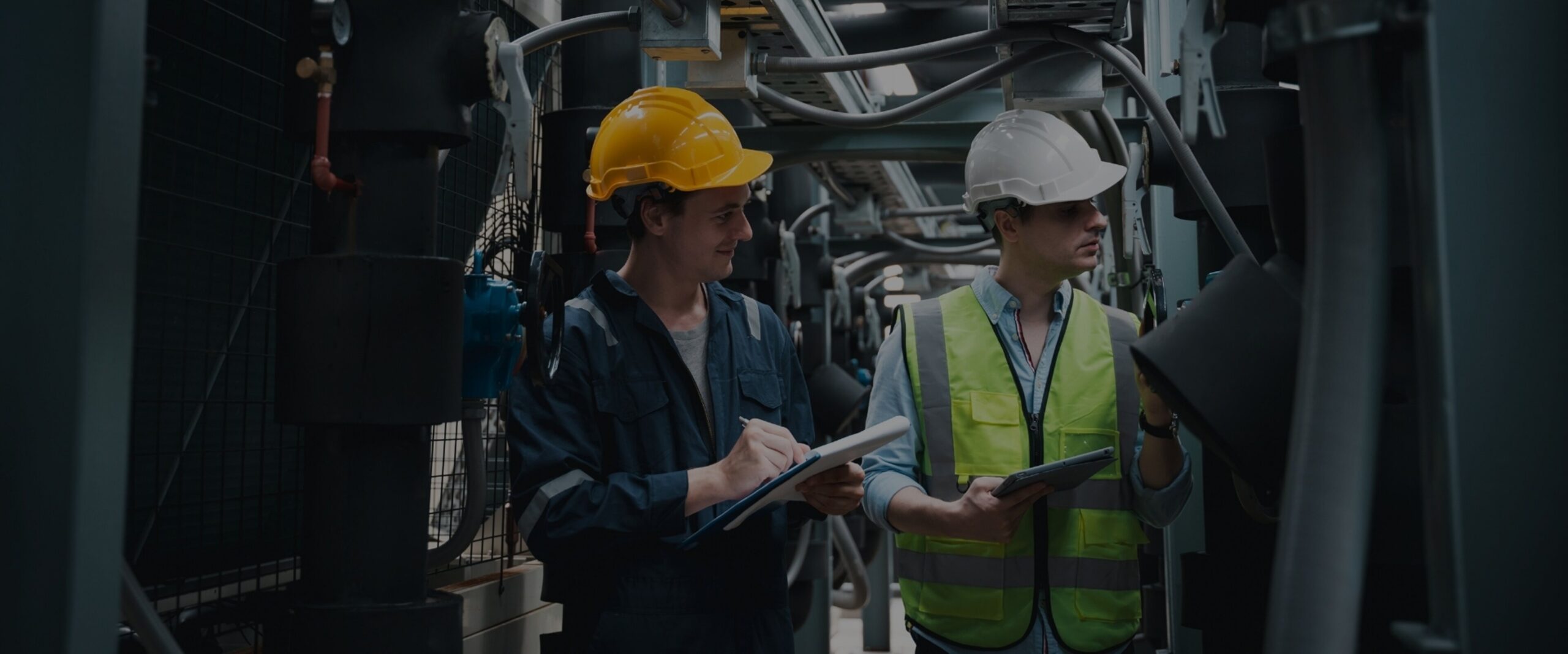
On deck, AI-enabled camera systems monitor conditions continuously and generate safety observations in real time rather than waiting for someone to notice and write one up. Monitoring is scoped to work areas and hazard conditions, agreed with the contractor’s workforce in advance, and used to close hazards rather than to assess individuals. On the platforms we work, that matters more than it would elsewhere.
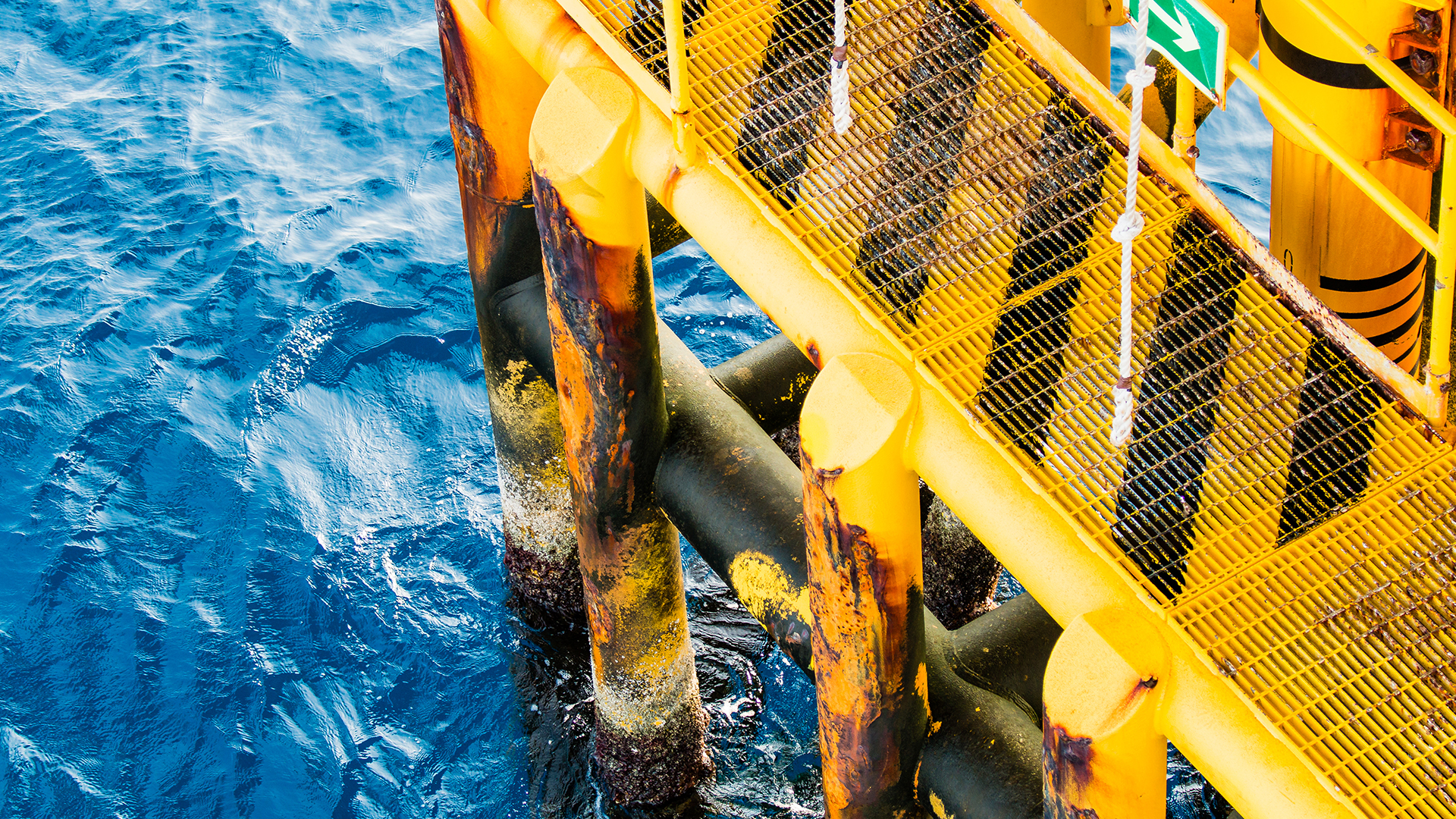
These are structures that fell out of maintenance years ago, where grating, access, and equipment you would take for granted in a newer facility simply are not reliable. Every observation is captured and kept, which is what makes the next project easier than the last one.
5. Operations
Mature fields often run on habit. Equipment stays online until it fails, intervention decisions rely on instinct, and cost visibility comes after the money is already spent.
Our AI roadmap changes this. Predictive maintenance flags equipment failures before they occur rather than after. Integrated planning ties activity, production, cost visibility, and daily reporting into a single view. Recommendation engines put a defensible number behind whether an intervention is worth doing at all.
This is also the phase where the groundwork pays off twice. Our daily production and cost report is the richest data source we have. It captures, hour by hour, what was done, what it cost, and who was on location. For years across this industry, that kind of record has lived in a workbook someone had to read tab by tab. Structured and connected, it becomes the basis for every estimate that follows.
What we discover operating and closing out these assets is exactly what makes us better at evaluating the next one.
How It All Comes Together
Field observations, lessons learned, and service quality events feed into a single connected system alongside cost tracking and daily reporting. Supply chain performance data updates how the next vendor gets selected. Structural and wellhead findings update the risk library used in the next planning session.
Because that data is structured rather than buried, our AI tools build a sharper baseline of what aging assets look like beyond the paperwork. The next team stepping onto a similarly degraded platform starts informed instead of rediscovering the same risks from scratch.
None of this takes the engineer out of the loop. Every abandonment program, barrier design, and cost estimate these tools produce is reviewed and signed by a competent well engineer before it goes to a regulator or to a rig, and every automated output is traceable back to the source document it was drawn from. Then, AI compresses search, extraction, and drafting, while design accountability stays with the source.
What’s Next
The next milestone is moving from generated procedures to generated engineering. Today the tools read a well file and draft the procedure. Next, they build the schematic from what they read, calculate volumes and loads, and model what the procedure will actually do downhole before anyone mobilizes. This is the stage where the tedious, error-prone parts of the work start to disappear, and an engineer’s time goes to judgment instead of extraction.
Further out is a question about custody. As late-life assets change hands, and as some eventually revert to previous owners or to the public, the operational record should travel with the liability. A data trust for end-of-life assets (accurate, preserved, and available to whoever inherits the obligation) would keep the next generation of engineers from rediscovering the same risks from scratch on the same platforms.
In exploration, nobody shares data, and for good reason. If operators reveal what they’ve found, someone will likely try to outbid you on the prospect. Late-to-end-of-life, that equation flips. Sharing what we know about an aging platform carries far less competitive risk than the risk to all of us of that information disappearing.
Late-to-end-of-life AI and optimization should be table stakes because the stakes are not only commercial. Every well left improperly abandoned is a candidate for leaks, and methane traps more than 80 times the heat of CO₂ over a 20-year period. The outcome affects future generations, not just one company’s bottom line.
The Gulf carries thousands of idle and orphaned wells still awaiting permanent abandonment, and that inventory is growing faster than the industry is clearing it. At the pace and cost the current process allows, the math doesn’t work.
The only way forward, for operators, ecosystems, communities, and whoever inherits what we leave behind, is to learn, optimize, and do it better the next time.
 Share
Share