


Planning Matters. It’s Just One Part of Project Excellence
At D&A GOA 2026, speaker after speaker from every perspective landed on the same conclusion: the quality of planning directly and measurably determines the quality of execution. One operator’s first attempt at a deepwater campaign burned through $16 million without completing its objectives. Another absorbed six storm demobilizations, undocumented downhole tools, and H₂S surprises across a single program.
The lesson throughout both days: “Plan for worst case, not expected case, and treat scope estimates as floors, not ceilings.”
We completely agree, with one caveat. Yes, planning is critical to successful, permanent decommissioning projects and late-life asset management. But it’s not a magic bullet. The industry needs elevated pre-project strategy — and better sourcing, tighter oversight, and a baked-in process for capturing every data point along the way.
To change how we care for our offshore assets, teams must apply discipline across the entire project lifecycle, the same way, every time. Below, we’re exploring every critical ingredient of project excellence and why the four combined deliver more value than any part on its own.
Our Origin Story: End-to-End Optimization
Long before Promethean existed, our founder and CEO, Aditya Singh, was a young petroleum engineer assigned to a declining offshore field. The protocol the industry followed (let production wind down, abandon the wells, decommission the platforms, and move on) felt premature to Aditya.
Convinced there was value left in the field, Aditya devoted two days to analyzing every diagram, subsurface map, and operating record he could find. The result? Three interventions: implement a real-time operations management system to safely extend the field’s operating envelope, return to first-principles engineering to optimize the platform’s compressors, and reorganize the flowlines so that water-producing wells no longer drag down the rest.
For a small fraction of what a single new well would have cost, the team extended the field’s life by years, multiplied its production, and ultimately exited by selling an asset that had been headed for abandonment.
The Meat and Potatoes of Next-Gen Decom
Project excellence runs through four connected phases: source, plan, execute, and improve. We describe them separately below, but the value only exists when all four are present. Sourcing without planning produces cheap chaos. Planning without execution oversight produces solid pre-execution documents and budgets that never align. And executing without a formal improvement loop means solving the same problems again and again, at full price every time.
1. Source: Scan, Benchmark, Commit
Every offshore project’s economics is largely decided before a single plan is drafted. How its supply chain is assembled deserves far more credit and consideration than it has historically received.
The Gulf’s lift boat fleet has fallen from 66 vessels to 27 over the past decade, and nearly every historically active heavy-lift vessel has left the market or been sold in distress. In a landscape this constrained, defaulting to familiar names or the lowest bid of the season is a gamble.
Disciplined sourcing means scanning the full market for the best-fit, most cost-effective option for every vessel, crew, and service line, and watching for incentive misalignment along the way. A provider that profits from selling specific equipment has a reason to recommend equipment that may not fit the project, while a partner who doesn’t own or resell service-side assets ensures every contractor competes on the terms that matter (dependability, safety record, quality, and cost).
Then comes benchmarking. Competitive bidding and rate normalization across providers establish a defensible view of what each scope should cost, and tight contract terms lock that number in. Contract structure matters as much as vendor selection here: fixed-scope, lump-sum frameworks with minimal exclusions reward efficiency, because whoever executes the work captures the gains from doing it well
Promethean’s Approach
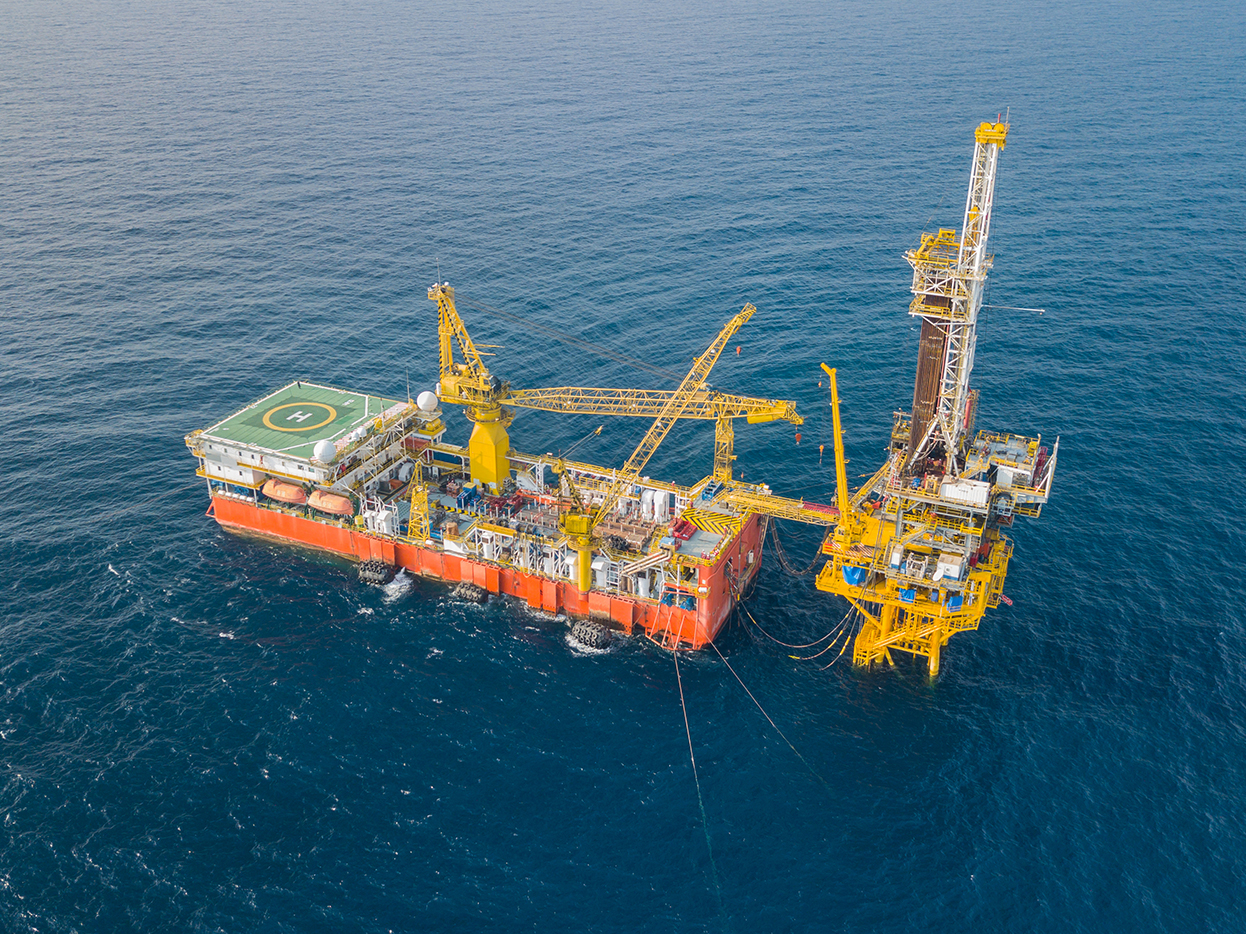
We don’t own vessels, rigs, or heavy equipment by design, ensuring every sourcing decision is driven by operational benefit. For one project, that meant selecting a compact 170-class lift boat over a larger, more expensive alternative. Though the vessel was tighter on deck space, it was right-sized for the water depths and economics across all seven platforms. This single decision compounded savings across every mobilization.
We also use AI-powered cost intelligence platform to track and benchmark every vendor against each line item (vendor, role, day rate, equipment) against market comparables in real time, so we know we’re moving forward with the tight team for the job. The result? SAP-level supply chain intelligence, purpose-built for decommissioning economics.
2. Plan: Assess, Align, Prepare
Planning is offshore work’s most reliable cost-control lever, and often its least expensive.
The industry’s long-standing default has been to mobilize a vessel, load a few baskets of tools, and resolve the details in the field. Operator-style planning takes the opposite approach, applying the rigor used for major drilling programs and critical turnarounds before crews ever leave shore.
The people responsible for execution must be part of that process. Rather than receiving a finalized scope and schedule, key contractors walk through the program line by line in structured, HAZOP-style reviews to ensure technical doability, operational sequencing, roles and responsibilities, known and emerging risks, contingency requirements, and lessons from comparable work.
This phase is where the “expect the worst” planning insight from D&A is applied. The truth is, aging assets rarely match their paperwork. Access requirements, fluid handling, and contingency equipment should be scoped and budgeted before mobilization, never improvised offshore.
Promethean’s Approach:
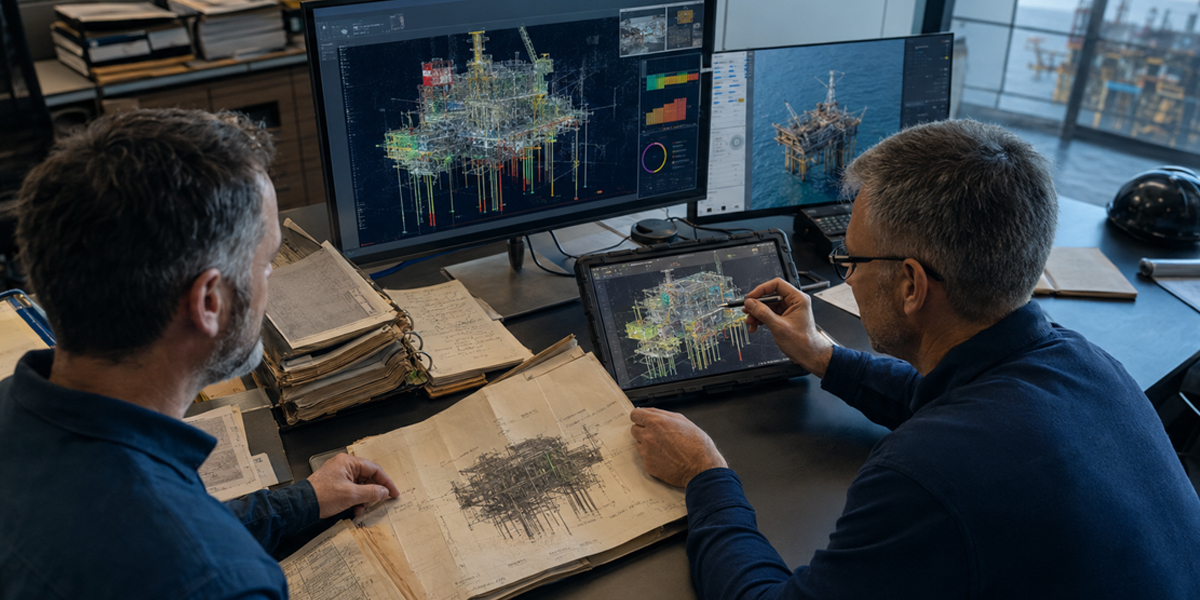
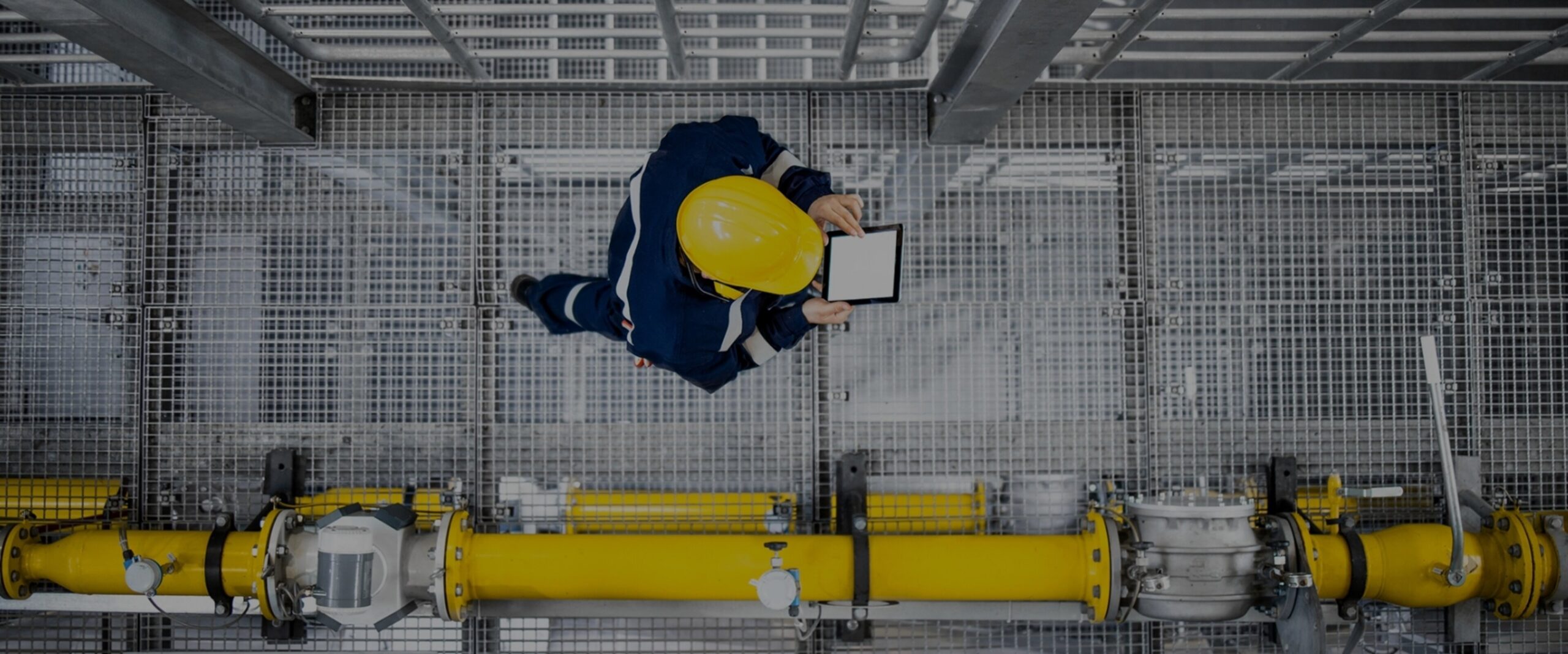
We begin by mapping the asset before anyone steps aboard. Drones equipped with UHD cameras and LiDAR create point-cloud models that give our engineers the dimensional information needed to plan access, structural repairs, and equipment staging remotely. On select structures, 360-degree photogrammetry creates immersive walkthroughs that allow teams to identify deck openings, dropped-object hazards, and structural anomalies from shore.
We also plan for multiple technical outcomes. Carrying equipment for alternative plugging methods, for example, allows crews to adapt to downhole conditions without making an unplanned return to shore. Our AI partnerships further accelerate this work. Large language models trained on petroleum engineering data can analyze well histories, regulatory filings, and field records to generate draft abandonment strategies and subsurface risk reviews in hours rather than weeks.
3. Execute: Oversee, Review, Adapt
Offshore, even the best plan becomes a living document. Strong execution starts with a daily rhythm: activities and schedule reviewed against the plan every day, supported by a dynamic risk register that carries every identified threat and its agreed-upon response.
Execution governed by project excellence requires real-time cost visibility, hour-by-hour reporting, and insights into who was on location — so when performance metrics become clear, adjustments can still be made.
Technology makes this oversight continuous. AI-enabled visual intelligence can identify emerging safety risks between walkthroughs, while connected field systems ensure observations are captured and shared instead of left on clipboards or buried in end-of-day paperwork
Promethean’s Approach:
Every offshore morning begins with a safety briefing built around real incidents from around the world, selected specifically for the tasks crews will perform that day. From there, schedule, activity, risk, and cost are reconciled daily through our integrated digital platform. This ensures performance is visible while the team can still act instead of weeks after the fact.
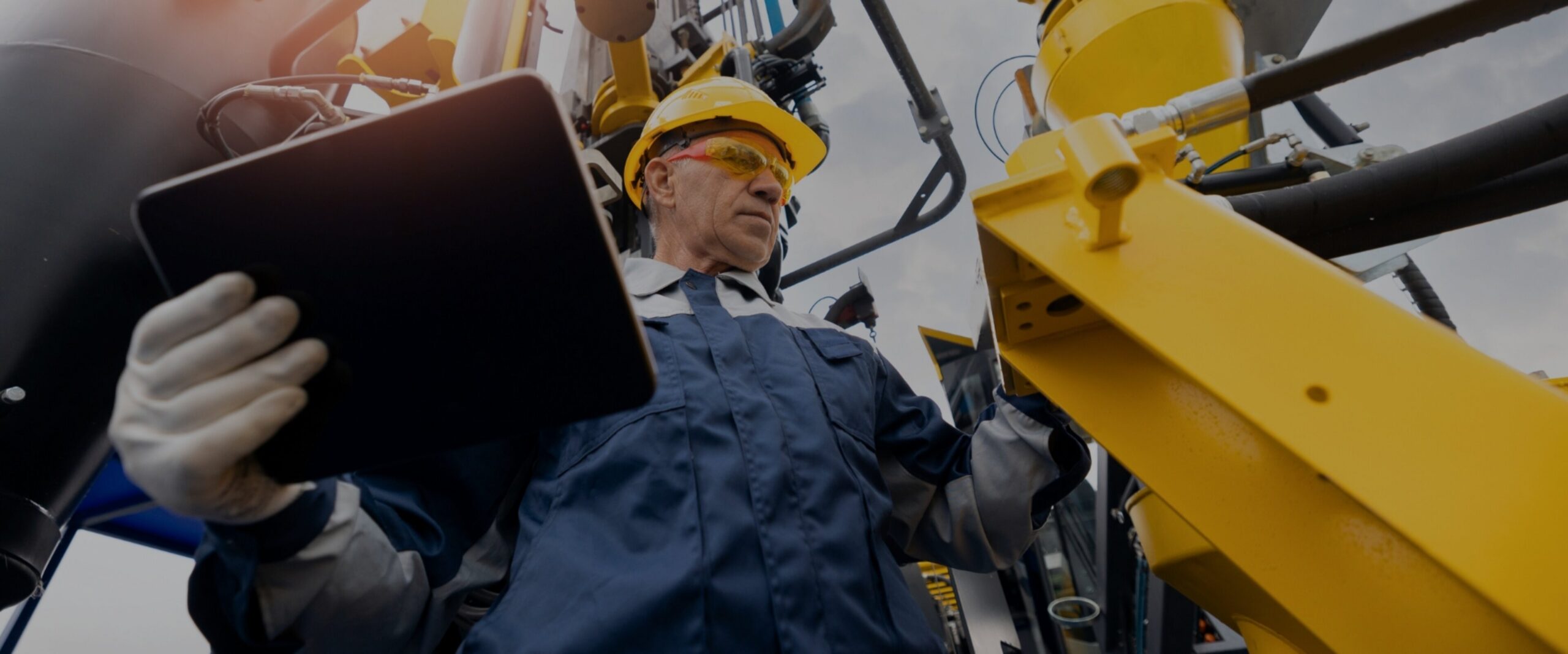
AI-enabled visual intelligence cameras continuously monitor work areas for unsafe conditions and behaviors, including PPE and fall-protection risks. When the system flags an event, the insight is visible throughout the organization, creating immediate accountability and a direct path to corrective action. Every camera-generated alert and crew observation becomes part of one living project record, giving the team a shared, current view of field reality.
4. Improve: Capture, Codify, Compound
The offshore industry’s strongest lessons-learned database is its people. The problem? Knowledge moves through job transitions, conference hallways, and the memories of experienced crews. When those people retire, change companies, or get released at the end of a season, the lessons leave with them.
Building formal improvement discipline into every project ensures every field observation has a defined pathway forward, so nothing valuable is left to institutional memory.
Promethean’s Approach:
Every field observation enters a formal improvement loop. Findings feed directly into dynamic risk registers and standard operating procedures, shaping the next campaign before it begins rather than sitting unread in a closeout report.
We also record vendor performance through structured metrics, so a more effective isolation sequence discovered on one platform can inform another campaign even when the original crew is not in the planning room. Data from every phase of project execution is then used to shape our AI ecosystem. As the number of completed campaigns grows, the models supporting planning can draw from a richer body of real operational outcomes and create improved frameworks moving forward.
A System Built to Keep Getting Better
Source, plan, execute, improve — then again, sharper. Each cycle is modernized by our data foundation, our AI partnerships, our technology pipeline, and our supply chain intelligence. That compounding loop is what true decommissioning and late-life asset management excellence is built on.
And the industry has never needed it more. More than 60% of Gulf of America platforms are over 25 years old, with thousands of wells and hundreds of platforms overdue for decommissioning. This backlog won’t be cleared with good intentions or even museum-worthy project plans.
Transforming how the industry prioritizes its late-to-end-of-life assets requires excellence at every phase of project execution, from the sourcing conversations that determine who is in the room when the plan takes shape to the lessons captured, codified, and carried into the next project after the work wraps.
 Share
Share